Commercial · Malvern
One flat network was breaking the whole building
HVAC, cameras and door access were all sharing one flat network, causing loops, faults and outages. Segmenting it with VLANs stabilised the building — and led to a second stage replacing the CCTV entirely.
- Delivered in
- 2 stages
- Systems isolated
- HVAC, CCTV, access
- Network loops
- Eliminated
Toorak Corporate Centre in Malvern had a problem that looked like several problems. HVAC would fault. Cameras would drop. Door access would misbehave. Tenants were frustrated, service providers blamed each other, and nobody could point at a single cause.
There was one, and it was the network.
The challenge
Every building system — HVAC, security cameras, door access — was running on a single flat network with no segmentation. That’s the root of it. When everything shares one broadcast domain, one misbehaving device or one accidental loop takes out systems that have nothing to do with each other. It also makes fault-finding almost impossible, because the symptom never appears where the cause is.
The result was instability, frequent outages, and compatibility arguments between service providers.
Security had its own issues on top. Camera quality was poor, monitoring depended on third parties, and access control was unreliable — including allowing entry at times it should not have.
The solution
We started with a site assessment, then delivered in two stages.
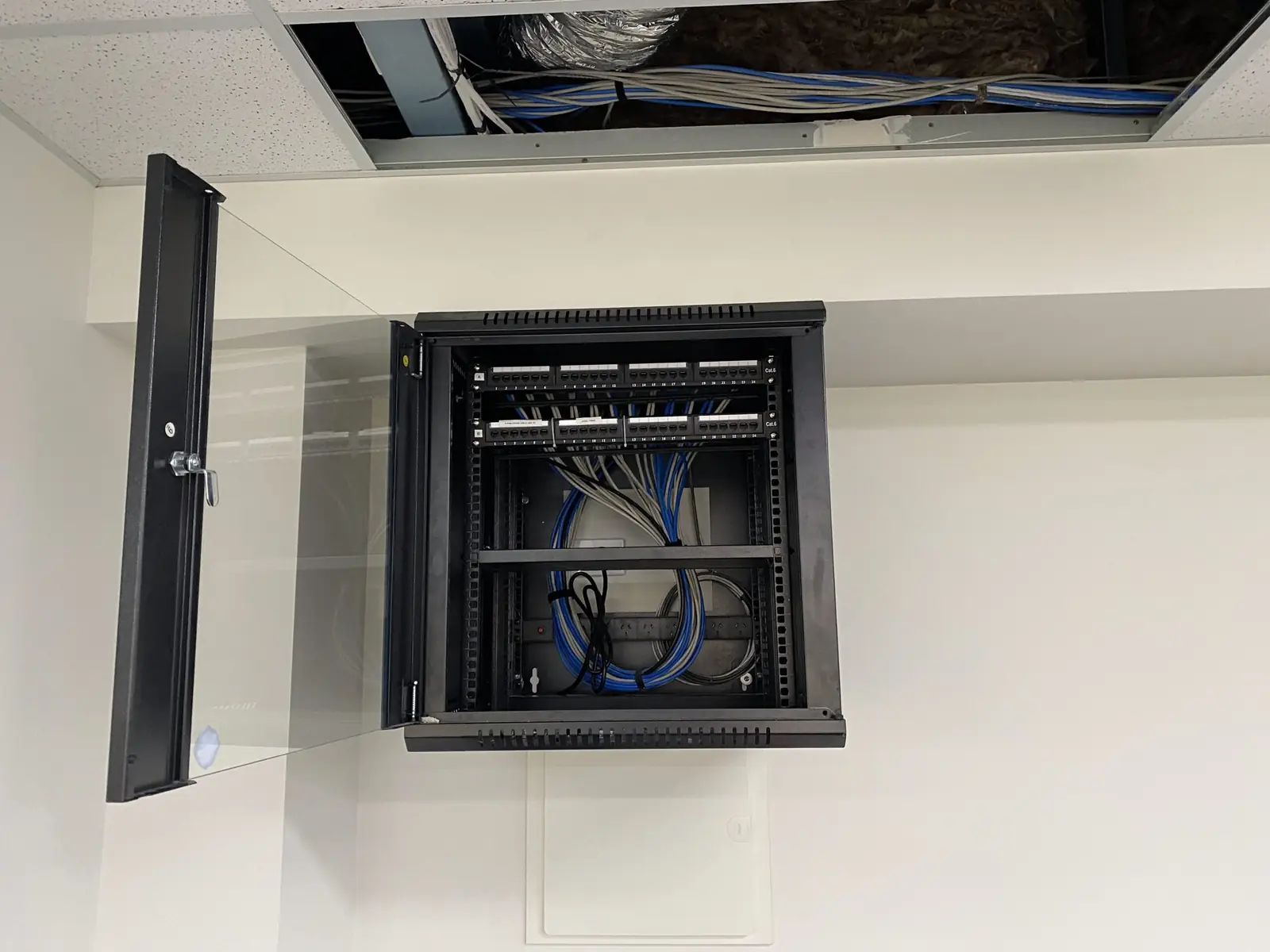
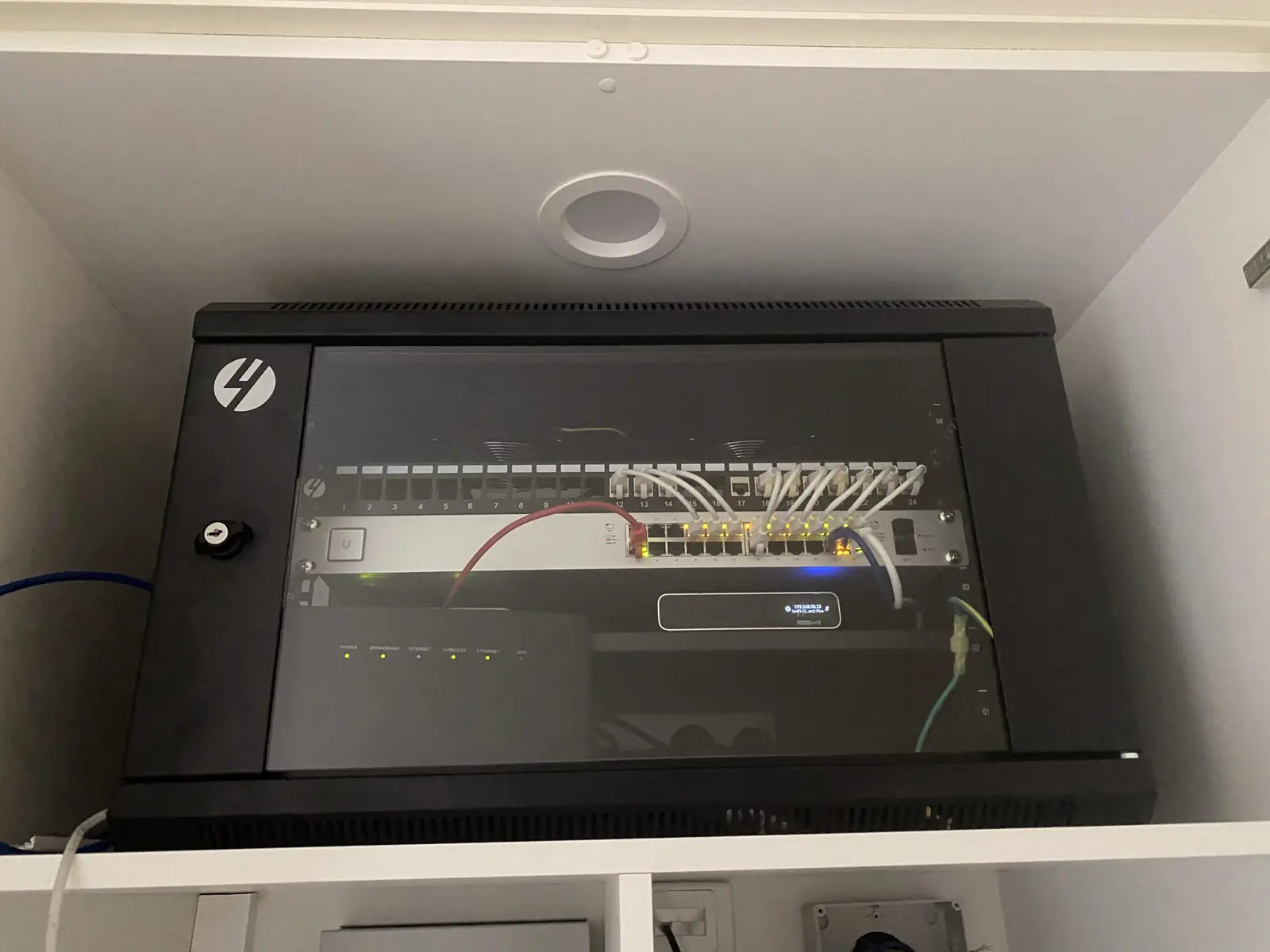
Stage one — stabilise the network. We replaced the outdated infrastructure with UniFi Dream Machine routing, multiple 24-port PoE switches, and 8-port switches placed where they were actually needed. Then we configured VLANs to separate the critical systems, isolating HVAC, cameras and door access from each other. That single change eliminated the interference and the network loops that had been causing the faults.
Stage two — replace the cameras. With a stable foundation, we swapped the ageing cameras for UniFi Protect. Better video quality, a monitoring interface building managers can actually use, and AI detection that distinguishes vehicles, people and unusual activity rather than alerting on every moving shadow.
Crucially, management can now monitor the site themselves — onsite or remotely — without calling a third-party contractor to pull footage.
The results
The faults stopped. HVAC and security operations stabilised, and confidence in the building’s infrastructure came back. Tenants and suppliers noticed the reliability; management particularly valued no longer depending on external providers for day-to-day monitoring.
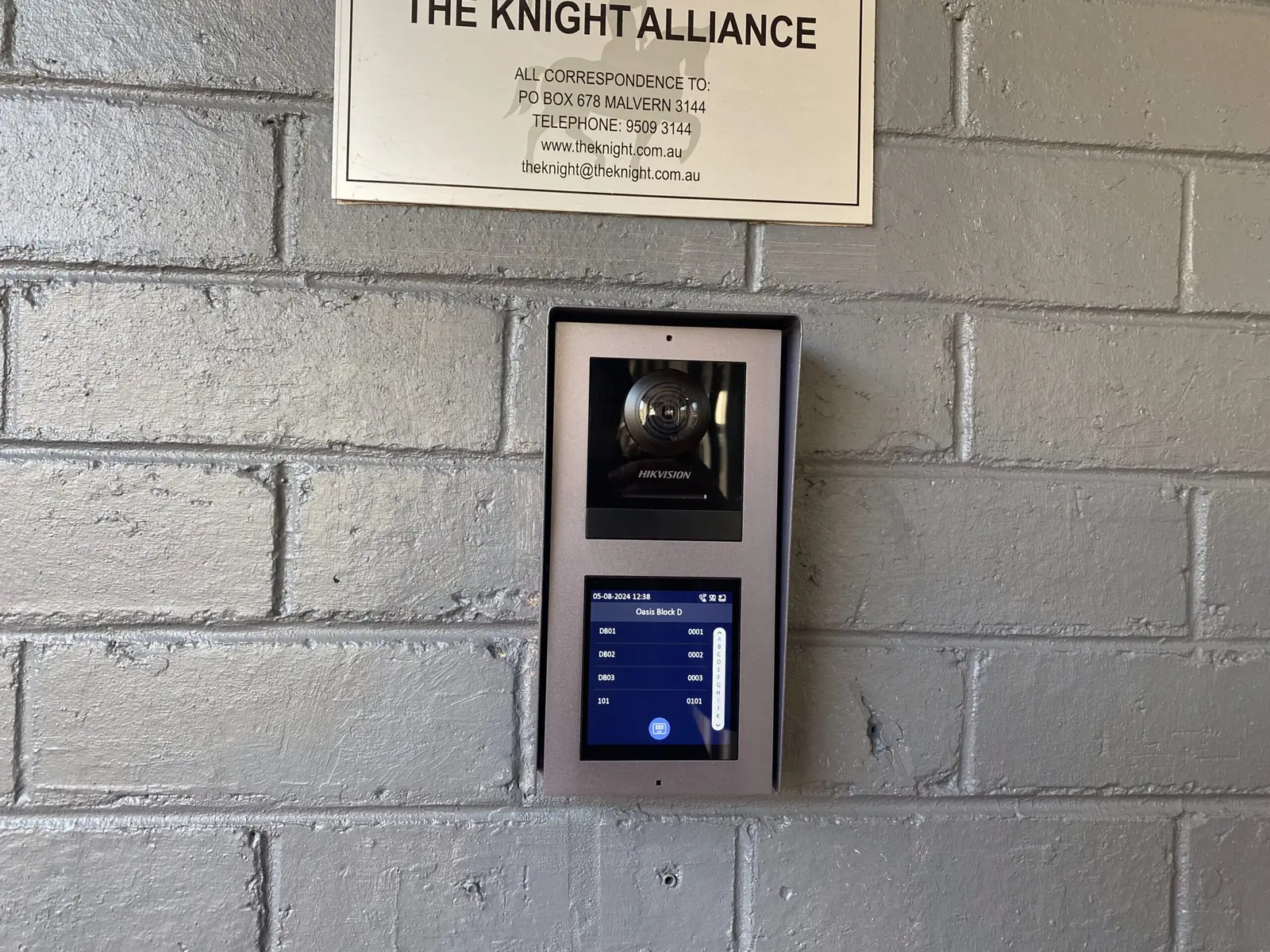
The rollout has since led to further work: we’re now designing a modern access control system for the building using QR codes and one-time digital passes, reducing reliance on physical keys and tightening security further.
From the install